




Can upper cover be applied in environmental science?
 Aug 27, 2026|
 In the ever - evolving field of environmental science, the exploration of new materials and components for various applications is a constant endeavor. As a dedicated upper cover supplier, I've often pondered the potential of upper covers in environmental science. This blog post aims to delve into this topic, exploring whether upper covers can be effectively applied in environmental science and the possible benefits and challenges associated with such applications.
1. Understanding Upper Covers
Upper covers are a common type of component that can be found in a wide range of industries. They are typically used to protect internal components from external factors such as dust, moisture, and mechanical damage. Upper covers can be made from various materials, including plastics, metals, and composites, each with its own set of properties and characteristics.
The choice of material for an upper cover depends on the specific application requirements. For example, plastic upper covers are lightweight and corrosion - resistant, making them suitable for applications where weight is a concern or where exposure to corrosive substances is likely. Metal upper covers, on the other hand, are strong and durable, providing excellent protection against mechanical impacts. Composites offer a combination of the advantages of different materials, such as high strength - to - weight ratios.
2. Potential Applications in Environmental Science
2.1. Monitoring Equipment Protection
Environmental monitoring equipment is crucial for collecting data on various environmental parameters such as air quality, water quality, and soil conditions. These devices are often exposed to harsh environmental conditions, including extreme temperatures, humidity, and dust. Upper covers can play a vital role in protecting this equipment from damage.
A well - designed upper cover can shield sensors and electronic components from moisture, preventing corrosion and short - circuits. It can also keep dust and debris out, ensuring the accuracy and reliability of the monitoring data. For example, in air quality monitoring stations located in industrial areas or deserts, upper covers made of weather - resistant materials can extend the lifespan of the equipment and reduce the need for frequent maintenance.
2.2. Waste Management Systems
In waste management, upper covers can be used in different ways. For instance, in landfills, upper covers are used to cap the waste layers. These covers can help reduce the emission of greenhouse gases such as methane, which is a potent contributor to global warming. A properly installed upper cover can prevent the escape of methane by creating a barrier between the waste and the atmosphere. It can also reduce the infiltration of rainwater into the landfill, which helps in controlling the generation of leachate, a liquid that can contaminate groundwater.
In composting facilities, upper covers can be used to maintain the proper temperature and moisture levels. They can prevent excessive evaporation and heat loss, creating an optimal environment for the decomposition of organic waste. This not only speeds up the composting process but also reduces the odor and the spread of pests.
2.3. Water Treatment Plants
Upper covers can find applications in water treatment plants as well. In sedimentation tanks, upper covers can prevent the entry of debris, leaves, and insects, which can interfere with the sedimentation process. They can also reduce the evaporation of water, which is especially important in arid regions where water conservation is crucial.
In addition, for chemical storage areas within water treatment plants, upper covers can protect chemicals from exposure to sunlight and rain. This helps in maintaining the chemical stability of the substances and reduces the risk of chemical spills and leaks, which can have serious environmental consequences.
3. Complementary Components in Environmental Applications
In environmental applications, upper covers often work in conjunction with other components. For example, in hydraulic systems used in some environmental monitoring and treatment equipment, components like the Oil Distribution Disc, the Orbital Hydraulic Motor Rotor, and the Shell Housing are essential.
The oil distribution disc ensures the proper flow of hydraulic oil, which in turn powers the movement of various parts of the equipment. The orbital hydraulic motor rotor is responsible for converting hydraulic energy into mechanical energy, enabling the operation of pumps, valves, and other components. The shell housing provides a protective enclosure for these hydraulic components, similar to how an upper cover protects other parts of the equipment.
4. Challenges in Applying Upper Covers in Environmental Science
4.1. Material Compatibility
One of the main challenges in using upper covers in environmental science is ensuring material compatibility. Different environmental conditions may require specific materials for the upper covers. For example, in acidic environments, such as some industrial wastewater treatment plants, the upper cover material must be resistant to acid corrosion. If the material is not compatible, it may degrade over time, losing its protective properties and potentially releasing contaminants into the environment.
4.2. Design Considerations
The design of the upper cover is also crucial. It must be designed to fit the specific equipment or application precisely. A poorly designed upper cover may not provide adequate protection, allowing moisture, dust, or other contaminants to enter. In addition, the design should take into account factors such as ease of installation and maintenance. For example, in some remote environmental monitoring sites, it may be difficult to access and replace upper covers, so a simple and user - friendly design is essential.
4.3. Cost - Effectiveness
Cost is always a consideration in environmental science projects. While high - quality upper covers can provide excellent protection, they may also be expensive. Finding a balance between cost and performance is a challenge. Suppliers need to develop cost - effective solutions without compromising on the quality and functionality of the upper covers.
5. Conclusion and Call to Action
In conclusion, upper covers have significant potential for application in environmental science. From protecting monitoring equipment to improving waste management and water treatment processes, they can play a vital role in environmental protection. However, challenges such as material compatibility, design considerations, and cost - effectiveness need to be addressed.
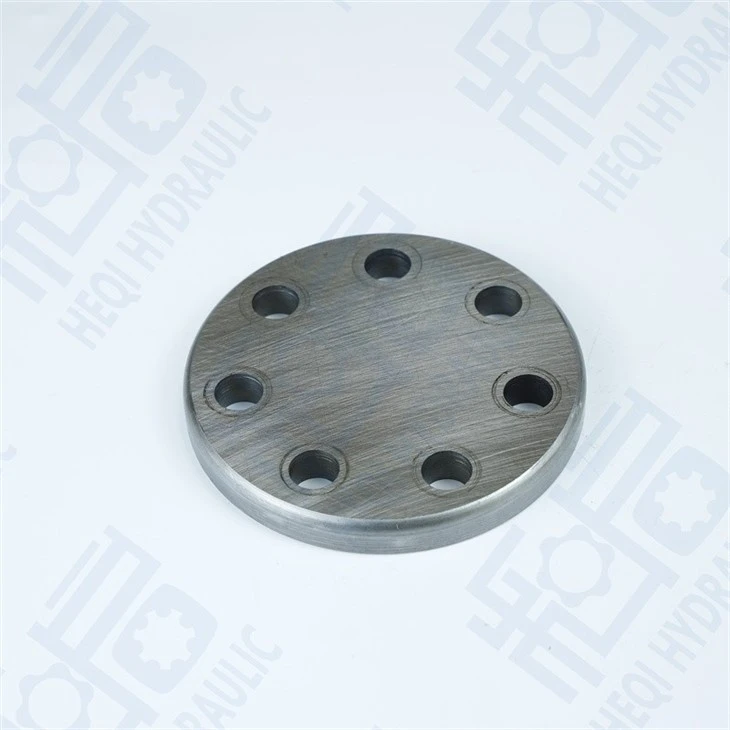

As a leading upper cover supplier, we are committed to developing innovative solutions that meet the specific needs of environmental science applications. Our team of experts is constantly researching and developing new materials and designs to overcome the challenges mentioned above.
If you are involved in environmental science projects and are looking for high - quality upper covers or have any questions about their applications, we encourage you to reach out to us. We would be more than happy to discuss your requirements and provide you with the best possible solutions. Let's work together to make a positive impact on the environment.
References
- Smith, J. (2018). Environmental Monitoring and Control. Elsevier.
- Johnson, A. (2019). Waste Management Technologies. CRC Press.
- Brown, C. (2020). Water Treatment Processes. McGraw - Hill.