




How to troubleshoot a spool valve sleeve pair?
 Sep 30, 2026|
 Troubleshooting a spool valve sleeve pair can be a bit of a headache, but with the right know - how, you can get to the bottom of the problem pretty quickly. As a spool valve sleeve pair supplier, I've seen my fair share of issues and have learned a thing or two about how to troubleshoot them.
Understanding the Basics
First off, let's talk about what a spool valve sleeve pair is. It's a crucial component in hydraulic systems. The spool is a cylindrical piece that slides inside the sleeve. When the spool moves, it controls the flow of hydraulic fluid, directing it to different parts of the system. Any problem with this pair can mess up the whole hydraulic setup.
Common Signs of Problems
There are a few tell - tale signs that something's wrong with your spool valve sleeve pair. One of the most obvious is a decrease in system performance. If your hydraulic equipment isn't working as smoothly as it used to, or if it's losing power, the spool valve sleeve pair could be the culprit.
Another sign is leakage. If you notice hydraulic fluid leaking around the valve area, it might be because the spool and sleeve aren't sealing properly. This can lead to a loss of pressure in the system, which in turn affects its performance.
Strange noises are also a red flag. If you hear grinding, rattling, or other unusual sounds coming from the valve, it could mean there's wear and tear on the spool or sleeve, or that there's debris inside the valve.
Step - by - Step Troubleshooting
Visual Inspection
The first step in troubleshooting is a visual inspection. Take a good look at the spool valve sleeve pair. Check for any obvious signs of damage, like scratches, dents, or corrosion. If you see any of these, it's likely that the pair needs to be replaced.
Also, look for any signs of debris. Sometimes, dirt, metal shavings, or other particles can get into the valve and cause problems. If you find debris, you'll need to clean the valve thoroughly.
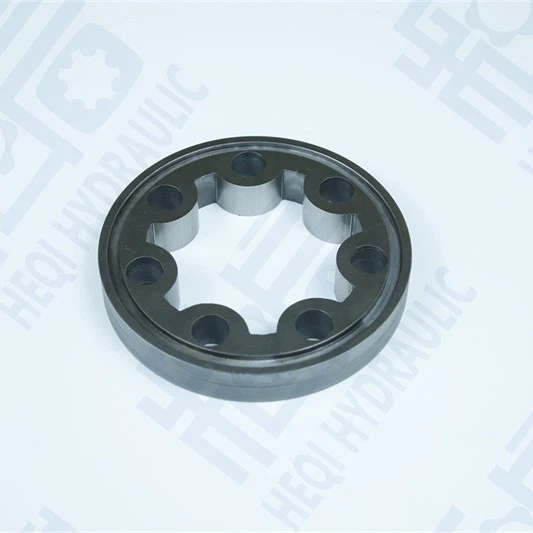

Measuring Clearance
Next, you'll want to measure the clearance between the spool and the sleeve. This is important because if the clearance is too large, it can cause leakage and reduced performance. You can use a micrometer or a feeler gauge to measure the clearance. Compare the measurement to the manufacturer's specifications. If the clearance is outside the acceptable range, the spool or sleeve may need to be replaced.
Checking for Sticking
A sticking spool is another common problem. To check for this, try moving the spool manually. If it's difficult to move or if it gets stuck in certain positions, there's a problem. This could be due to dirt, wear, or misalignment. You may need to clean the spool and sleeve or adjust the alignment.
Testing the Valve
Once you've done the visual inspection and measurements, it's time to test the valve. You can use a hydraulic test bench to check the valve's performance. This will allow you to see how the valve responds to different pressures and flow rates. If the valve isn't performing as it should, you'll need to dig deeper to find the root cause.
Possible Causes and Solutions
Wear and Tear
Over time, the spool and sleeve can wear down due to constant use. This can lead to increased clearance, leakage, and reduced performance. If you find that wear is the problem, you'll need to replace the spool valve sleeve pair.
Contamination
As I mentioned earlier, debris can get into the valve and cause problems. To prevent this, make sure your hydraulic system has proper filtration. If contamination is the issue, clean the valve and replace the filters.
Misalignment
If the spool and sleeve aren't properly aligned, it can cause the spool to stick or not function correctly. You'll need to realign the components to fix this problem.
Related Hydraulic Parts
When dealing with spool valve sleeve pairs, it's also important to consider other related hydraulic parts. For example, the Hydraulic Motor Valve Body plays a crucial role in the overall hydraulic system. It houses the spool valve sleeve pair and other components, and any issues with the valve body can affect the performance of the spool valve.
The Omm Gerotor Set is another important part. It's responsible for converting hydraulic energy into mechanical energy, and if it's not working properly, it can put additional stress on the spool valve sleeve pair.
The Hydraulic Motor Valve Disc is also a key component. It helps control the flow of hydraulic fluid and can impact the performance of the spool valve.
Conclusion
Troubleshooting a spool valve sleeve pair takes a bit of time and effort, but it's definitely doable. By following these steps and keeping an eye on related hydraulic parts, you can keep your hydraulic system running smoothly.
If you're having trouble with your spool valve sleeve pair or need to purchase new ones, don't hesitate to reach out. We're here to help you find the right solutions for your hydraulic needs. Whether you're looking for high - quality spool valve sleeve pairs or need advice on troubleshooting, we've got you covered.
References
- Hydraulic Systems Handbook
- Manufacturer's manuals for spool valve sleeve pairs and related hydraulic parts