




How will new technologies affect the design and performance of spool valve sleeve pairs?
 Jan 06, 2026|
 In the dynamic landscape of fluid power systems, spool valve sleeve pairs play a pivotal role in regulating the flow and pressure of hydraulic fluids. As a leading supplier of spool valve sleeve pairs, I've witnessed firsthand the profound impact that new technologies are having on their design and performance. This blog post delves into the ways in which emerging technologies are reshaping the spool valve sleeve pair industry, offering insights into the future of this critical component.
Advanced Materials and Manufacturing Techniques
One of the most significant ways new technologies are affecting spool valve sleeve pairs is through the use of advanced materials and manufacturing techniques. Traditional materials such as steel and bronze are being supplemented or replaced by high-performance alloys, ceramics, and composites. These materials offer superior properties such as increased hardness, wear resistance, and corrosion resistance, which can significantly extend the lifespan of spool valve sleeve pairs.
For instance, the use of ceramic materials in spool valve sleeve pairs can reduce friction and wear, leading to smoother operation and improved efficiency. Ceramics are also highly resistant to corrosion, making them ideal for use in harsh environments. Additionally, advanced manufacturing techniques such as precision machining, microfabrication, and additive manufacturing are enabling the production of spool valve sleeve pairs with tighter tolerances and more complex geometries. This allows for greater control over the flow of hydraulic fluids and improved performance.
Smart Sensors and Monitoring Systems
The integration of smart sensors and monitoring systems is another area where new technologies are making a significant impact on spool valve sleeve pairs. These sensors can provide real-time data on the performance of the valve, including pressure, temperature, flow rate, and wear. By monitoring these parameters, operators can detect potential issues early on and take proactive measures to prevent failures.
For example, sensors can detect changes in pressure or flow rate that may indicate a blockage or leakage in the valve. This information can be used to trigger an alarm or automatically adjust the valve settings to maintain optimal performance. Additionally, smart sensors can be used to collect data on the wear and tear of the spool valve sleeve pair over time. This data can be analyzed to predict when maintenance or replacement is required, reducing downtime and maintenance costs.
Computational Fluid Dynamics (CFD) and Simulation
Computational Fluid Dynamics (CFD) and simulation software are powerful tools that are being increasingly used in the design and optimization of spool valve sleeve pairs. These tools allow engineers to model the flow of hydraulic fluids through the valve and predict its performance under different operating conditions. By simulating the flow of fluids, engineers can identify potential areas of improvement and optimize the design of the valve to improve its efficiency and performance.
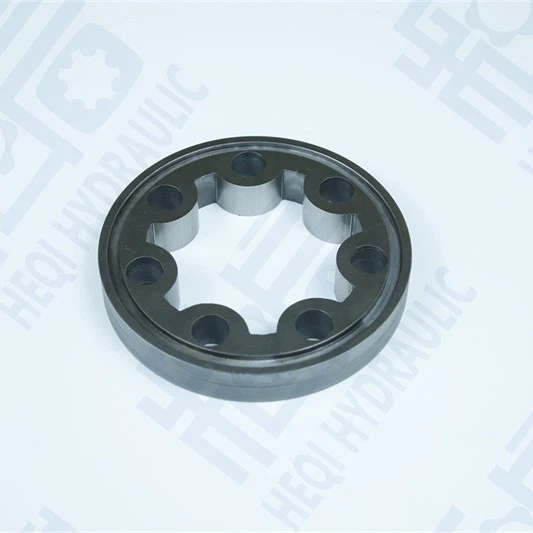

For instance, CFD simulations can be used to analyze the flow patterns inside the valve and identify areas where turbulence or cavitation may occur. This information can be used to modify the design of the valve to reduce these issues and improve the overall performance. Additionally, simulation software can be used to test different valve configurations and materials to determine the optimal combination for a specific application.
Electromagnetic and Electro-Hydraulic Actuation
The development of electromagnetic and electro-hydraulic actuation systems is another area where new technologies are transforming the design and performance of spool valve sleeve pairs. These systems offer several advantages over traditional hydraulic actuation systems, including faster response times, greater precision, and improved energy efficiency.
Electromagnetic actuation systems use electromagnetic forces to control the movement of the spool valve, eliminating the need for hydraulic fluid. This reduces the complexity of the system and eliminates the risk of hydraulic leaks. Additionally, electromagnetic actuation systems can be controlled electronically, allowing for greater flexibility and precision in the operation of the valve.
Electro-hydraulic actuation systems combine the advantages of both hydraulic and electromagnetic actuation. These systems use an electric motor to drive a hydraulic pump, which in turn controls the movement of the spool valve. This allows for fast response times and high force output, while also providing the flexibility and precision of electronic control.
Impact on the Supplier Landscape
As a supplier of spool valve sleeve pairs, these new technologies present both opportunities and challenges. On the one hand, the demand for high-performance spool valve sleeve pairs is increasing as industries seek to improve the efficiency and reliability of their fluid power systems. This presents an opportunity for suppliers to differentiate themselves by offering innovative products that incorporate the latest technologies.
On the other hand, the rapid pace of technological change requires suppliers to invest in research and development to stay ahead of the curve. This can be a significant challenge, especially for smaller suppliers with limited resources. Additionally, the integration of new technologies into spool valve sleeve pairs requires a high level of expertise and technical knowledge. Suppliers need to have a deep understanding of the materials, manufacturing processes, and control systems involved in order to develop and produce high-quality products.
Conclusion
In conclusion, new technologies are having a profound impact on the design and performance of spool valve sleeve pairs. Advanced materials and manufacturing techniques, smart sensors and monitoring systems, CFD and simulation, and electromagnetic and electro-hydraulic actuation are all contributing to the development of more efficient, reliable, and intelligent spool valve sleeve pairs. As a supplier, it is essential to stay abreast of these technological advancements and invest in research and development to meet the evolving needs of our customers.
If you are in the market for high-quality spool valve sleeve pairs or have any questions about how new technologies can benefit your application, please do not hesitate to [initiate a conversation with us]. We are committed to providing our customers with the latest innovations in spool valve sleeve pair technology and look forward to discussing your specific requirements.
References
- Smith, J. (2020). Advanced Materials for Hydraulic Components. Journal of Fluid Power Systems, 15(2), 89-102.
- Johnson, A. (2019). The Role of Smart Sensors in Hydraulic System Monitoring. Proceedings of the International Conference on Fluid Power and Motion Control, 45-52.
- Brown, C. (2018). Computational Fluid Dynamics in the Design of Hydraulic Valves. Journal of Hydraulic Engineering, 22(3), 123-135.
- Green, D. (2017). Electromagnetic and Electro-Hydraulic Actuation Systems for Hydraulic Valves. International Journal of Fluid Power, 18(4), 67-78.