




What are the effects of contaminants on a compensating disc?
 Apr 14, 2026|
Hey there! As a compensating disc supplier, I've seen firsthand the impact that contaminants can have on these crucial components. In this blog, I'm gonna break down the effects of contaminants on a compensating disc and why it matters to you.
Understanding Compensating Discs
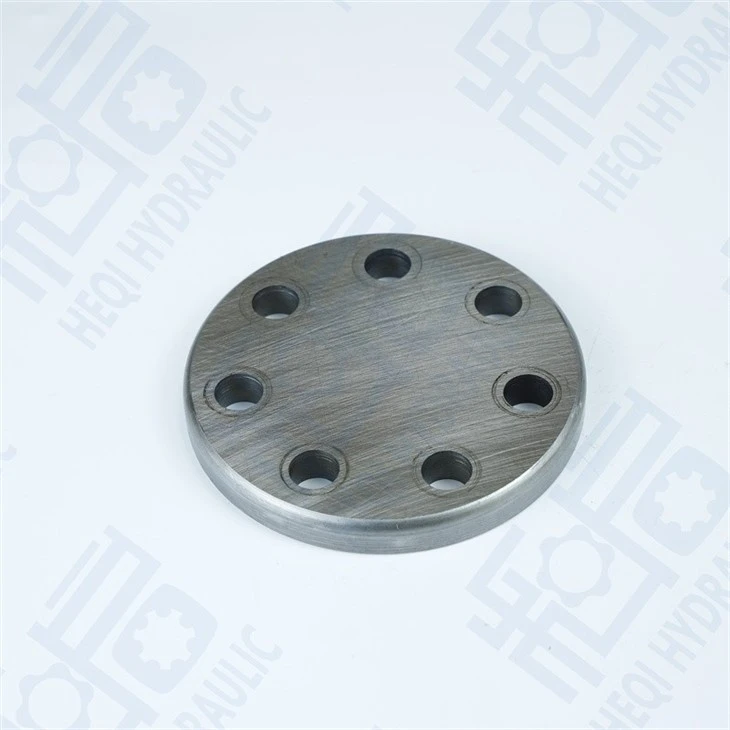
Before we dive into the effects of contaminants, let's quickly go over what compensating discs are. Compensating discs are used in various hydraulic systems to balance pressure and ensure smooth operation. They're like the unsung heroes of the hydraulic world, quietly doing their job to keep everything running smoothly.
Types of Contaminants
Contaminants can come in many forms, and each one can have a different effect on a compensating disc. Here are some of the most common types of contaminants:
- Dirt and Dust: These tiny particles can enter the hydraulic system through the air or equipment. They're sharp and can scratch the surface of the compensating disc, leading to wear and tear.
- Metal Shavings: During the manufacturing process or normal operation, metal shavings can be produced and end up in the hydraulic fluid. These shavings are abrasive and can damage the disc, affecting its performance.
- Water: Water can get into the hydraulic system through condensation or leaks. It can cause corrosion and rust on the compensating disc, weakening its structure.
- Chemical Impurities: Sometimes, the hydraulic fluid itself can contain chemical impurities. These impurities can react with the disc material, causing it to deteriorate over time.
Effects of Contaminants on a Compensating Disc
Now that we know what types of contaminants we're dealing with, let's take a look at the effects they can have on a compensating disc.
1. Wear and Tear
One of the most obvious effects of contaminants is wear and tear on the compensating disc. Dirt, dust, and metal shavings act like sandpaper, rubbing against the surface of the disc. Over time, this friction can cause the disc to become thinner and lose its shape. As a result, the disc may not be able to balance the pressure as effectively, leading to reduced performance of the hydraulic system.
2. Corrosion and Rust
Water and chemical impurities are the main culprits when it comes to corrosion and rust. When the compensating disc is exposed to these contaminants, a chemical reaction occurs on its surface. This reaction can eat away at the metal, creating holes and weakening the structure of the disc. Corroded and rusted discs are more likely to fail, which can lead to costly repairs and downtime for your equipment.
3. Clogging
Contaminants can also clog the small passages and orifices in the compensating disc. When this happens, the flow of hydraulic fluid is restricted, and the disc can't function properly. Clogged discs can cause uneven pressure distribution in the hydraulic system, which can lead to erratic operation and even damage to other components.

4. Reduced Performance
All of the above effects ultimately lead to reduced performance of the compensating disc. When the disc is worn, corroded, or clogged, it can't do its job of balancing pressure and ensuring smooth operation. This can result in decreased efficiency of the hydraulic system, slower response times, and increased energy consumption.
How to Prevent Contamination
As a compensating disc supplier, I know how important it is to prevent contamination in the first place. Here are some tips to help you keep your compensating discs in good condition:
- Use High - Quality Hydraulic Fluid: Make sure you're using hydraulic fluid that meets the specifications of your equipment. High - quality fluid is less likely to contain impurities and will provide better protection for your compensating discs.
- Install Filters: Filters are your best friend when it comes to preventing contaminants from entering the hydraulic system. Make sure you have the right filters installed and replace them regularly.
- Keep the System Clean: Regularly clean the hydraulic system and the surrounding area to prevent dirt and dust from getting in. This includes keeping the oil reservoir clean and checking for leaks.
- Inspect Regularly: Conduct regular inspections of the compensating discs and the hydraulic system as a whole. Look for signs of wear, corrosion, or clogging and address any issues promptly.
Related Components and Their Links
It's also important to note that compensating discs are part of a larger hydraulic system. Other components like the Priority Valve Spool, Orbital Hydraulic Motor Rotor, and Rotor And Stator Set For Steering Gear can also be affected by contaminants. Make sure you take care of these components as well to ensure the overall performance of your hydraulic system.
Why Choose Our Compensating Discs
At our company, we take pride in providing high - quality compensating discs. Our discs are made from top - notch materials that are resistant to wear, corrosion, and contamination. We use advanced manufacturing processes to ensure that each disc meets the highest standards of quality and performance.
Let's Talk Business
If you're in the market for compensating discs or have any questions about how to protect them from contaminants, I'd love to hear from you. Whether you're a small business or a large industrial operation, we can provide you with the right solutions for your needs. Don't hesitate to reach out and start a conversation about your requirements.
References
- Hydraulic Systems Handbook, 3rd Edition
- Contaminant Control in Hydraulic Systems, Journal of Hydraulic Engineering