




Why does the clearance control of the stator-rotor pair in a orbital motor determine its lifespan and stability?
 Apr 30, 2026|
 n the orbital hydraulic motor industry, it's well known that the quality of the stator-rotor pair directly determines the motor's performance and lifespan. The clearance between the stator and rotor pairs is crucial for their precision fit.
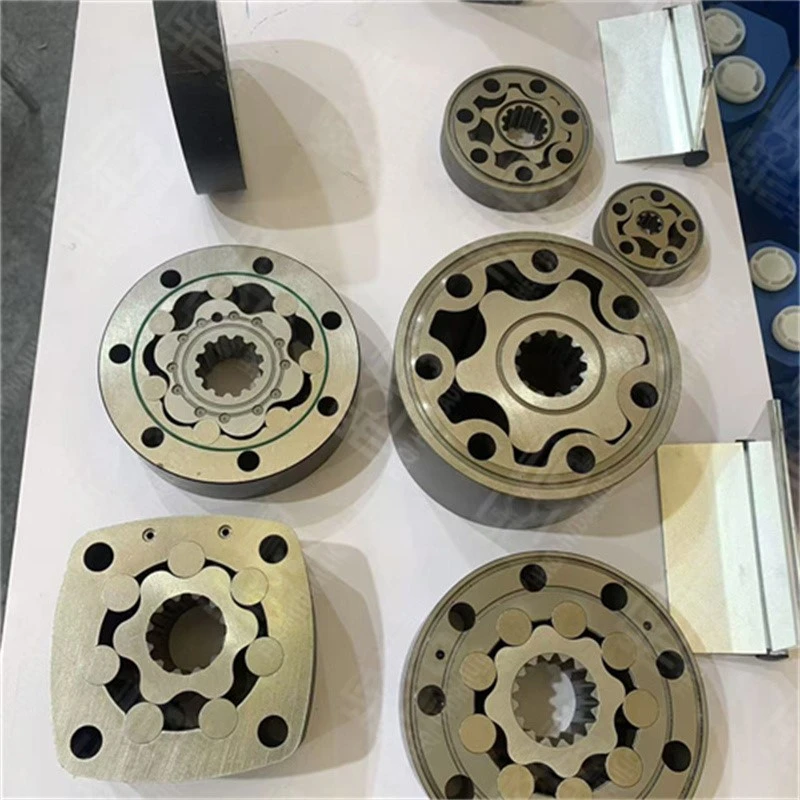
The most critical aspect of clearance control is the radial clearance between the stator and rotor. So, what is a reasonable size for this parameter? What size control maintains the motor's optimal performance output?
While a smaller clearance generally indicates stronger manufacturing capabilities, is smaller always better?
Actually, different products and different displacements have different requirements for this clearance.
Fully hydraulic steering systems, which use a similar stator-rotor pair, have different clearance requirements than orbital hydraulic motors. Fully hydraulic steering systems primarily ensure smooth and uninterrupted steering and do not bear significant torque; therefore, the clearance requirement for this type of product is lower, requiring a slightly larger clearance. orbital hydraulic motors, because they need to withstand a certain torque while rotating, require a smaller clearance. This clearance must ensure smooth rotation while maintaining adequate volumetric and mechanical efficiency to deliver a sufficient torque output. Therefore, a just-right clearance is needed, not necessarily the smaller the better.
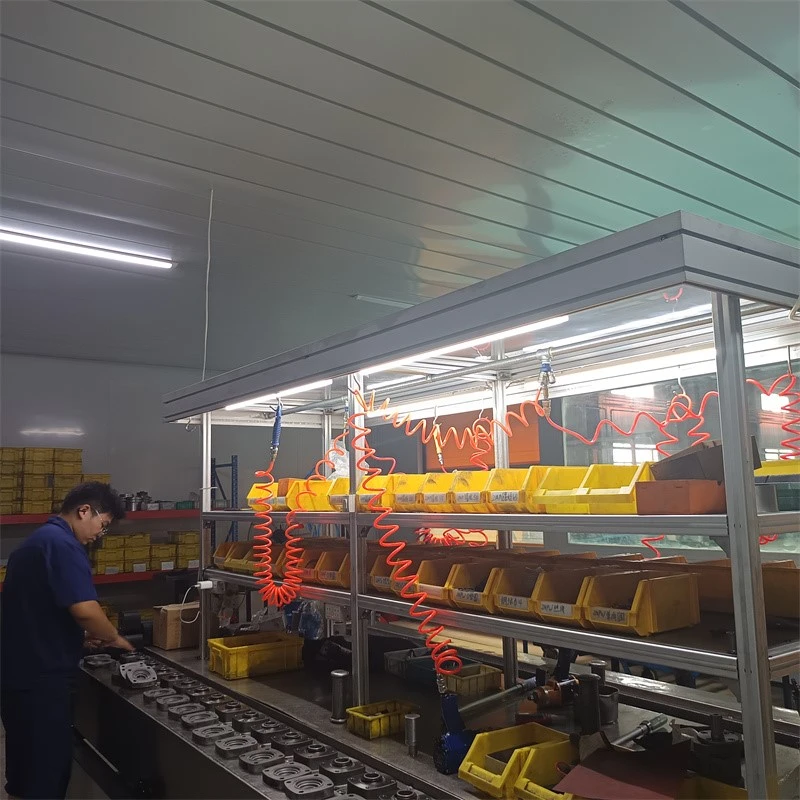
A suitable clearance provides stable, smooth torque output, preventing vibrations and wear, and extending the lifespan of the motor or steering gear while maintaining performance.