




Are omtw walking motors energy - efficient?
 Mar 10, 2026|
 Hey there, folks! I'm an OMTW walking motor supplier, and today I wanna talk about a pretty hot topic: Are OMTW walking motors energy - efficient?
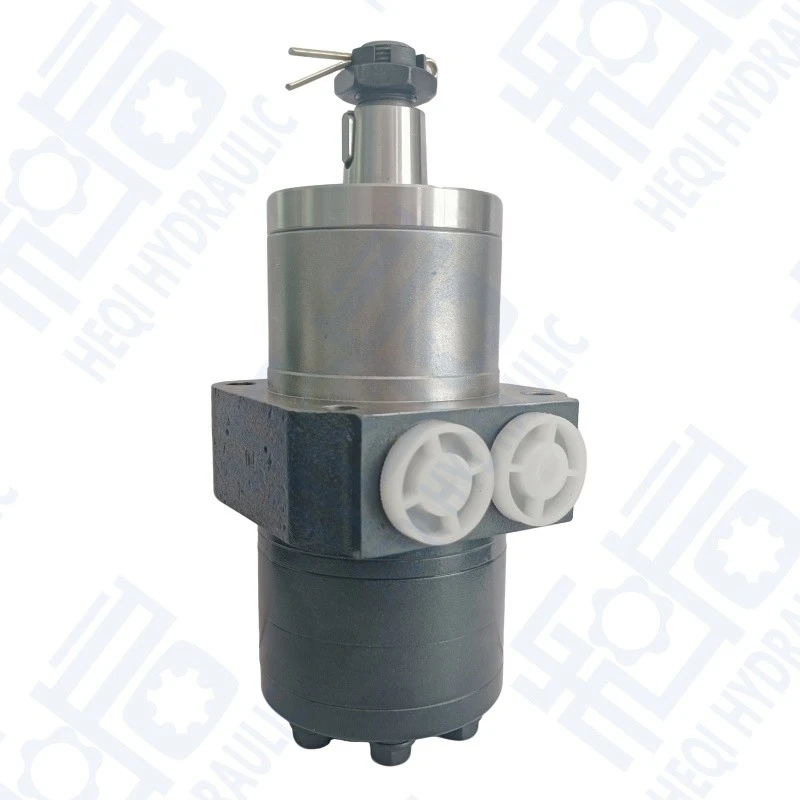
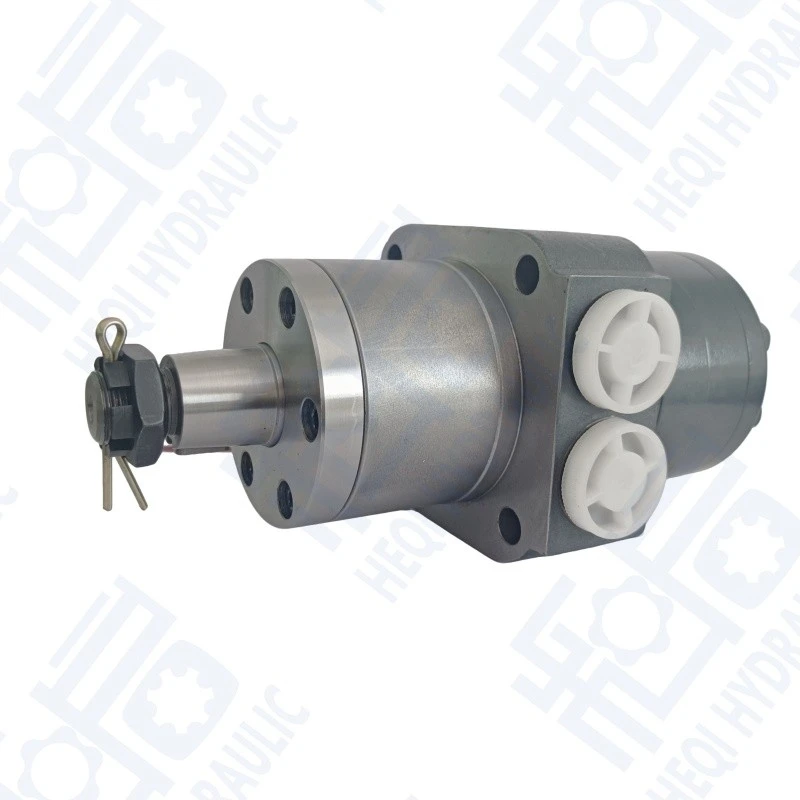
First off, let's get a basic understanding of what OMTW walking motors are. These motors are used in a wide range of applications, from small - scale industrial machinery to larger construction equipment. They're designed to provide the power needed for equipment to move forward, backward, and turn, all while being reliable and durable.
Now, when it comes to energy efficiency, it's a major concern for almost everyone these days. With the rising costs of energy and a growing focus on sustainability, businesses and individuals alike are looking for ways to reduce their energy consumption. So, how do OMTW walking motors stack up in this regard?
One of the key factors that affect the energy efficiency of OMTW walking motors is their design. A well - designed motor will have less internal friction. When a motor has high internal friction, it has to work harder to produce the same amount of output. This means it consumes more energy. OMTW walking motors are engineered with a focus on minimizing this internal friction. They use high - quality materials and advanced manufacturing techniques to ensure smooth operation. For example, the bearings used in these motors are precision - made to reduce the amount of energy lost due to friction.
Another aspect is the motor's control system. Modern OMTW walking motors often come with advanced control systems that can adjust the motor's performance based on the load. If the equipment is carrying a light load, the motor can operate at a lower power level, consuming less energy. When the load increases, the control system can ramp up the power output to meet the demand. This kind of adaptive performance is great for energy efficiency. It's like having a smart engine in your car that automatically adjusts the fuel consumption based on how fast you're going and how much weight you're carrying.
Let's compare OMTW walking motors with some other types of motors in the market. For instance, take the Hydraulic Valve Motor. While hydraulic valve motors are also used in many applications, they may not always be as energy - efficient as OMTW walking motors. Hydraulic systems can have losses due to fluid leakage and the need to maintain pressure in the system. OMTW walking motors, on the other hand, are more direct in their power transfer, which can lead to better energy utilization.
Now, let's look at some specific models. The OMP 80 Hydraulic Motor is a popular choice in the industry. It has a compact design and is known for its high - torque output. But how does it fare in terms of energy efficiency? Well, this motor is designed with energy - saving features in mind. Its internal components are optimized to reduce energy losses during operation. The same goes for the Danfoss Omp 100 Hydraulic Motor. Danfoss is a well - known brand, and their Omp 100 motor is engineered to provide a good balance between power and energy consumption.
In real - world applications, the energy efficiency of OMTW walking motors can have a significant impact on the overall operating costs. Let's say you're running a construction site. The equipment that uses OMTW walking motors will consume less fuel or electricity over time. This means lower energy bills and a smaller carbon footprint. For a business, this can translate into substantial savings in the long run.
However, it's important to note that the energy efficiency of an OMTW walking motor also depends on how it's used and maintained. If the motor is not properly maintained, its performance can degrade, and it may consume more energy. Regular maintenance, such as checking the oil levels, inspecting the seals, and ensuring proper alignment, is crucial to keep the motor running at its most energy - efficient level.
Another factor is the installation. If the motor is not installed correctly, it may have to work harder to achieve the desired performance. This can lead to increased energy consumption. So, it's essential to have a professional install the OMTW walking motor to ensure optimal energy efficiency.
There are also some emerging technologies that are being incorporated into OMTW walking motors to further improve their energy efficiency. For example, the use of regenerative braking systems. When the equipment using the motor comes to a stop, a regenerative braking system can capture the kinetic energy and convert it back into electrical or hydraulic energy, which can then be reused. This is a great way to make the most of the energy that would otherwise be wasted.
In conclusion, OMTW walking motors are generally quite energy - efficient. Their design, advanced control systems, and the use of high - quality materials all contribute to their ability to save energy. When compared to some other types of motors in the market, they often come out on top in terms of energy utilization. However, proper maintenance and installation are key to ensuring that you get the maximum energy - saving benefits from these motors.
If you're in the market for a reliable and energy - efficient motor for your equipment, I'd highly recommend considering OMTW walking motors. Whether you're in the construction, manufacturing, or any other industry that requires motor - powered equipment, these motors can offer a great solution. And if you have any questions or are interested in purchasing, feel free to reach out. I'm here to help you make the right choice for your energy - saving needs.
References
- Industry reports on hydraulic motor energy efficiency
- Manufacturer's specifications for OMTW walking motors, OMP 80 Hydraulic Motor, and Danfoss Omp 100 Hydraulic Motor