




Can a track motor excavator be used for swampy area work?
 Dec 15, 2025|
 Can a track motor excavator be used for swampy area work? That's a question I get asked a lot as a track motor excavator supplier. And the answer isn't as straightforward as you might think.
First off, let's talk about what makes a swampy area so tricky for equipment. Swamps are characterized by soft, muddy ground, often with waterlogged soil. This means there's very little firm support for heavy machinery. The ground can give way easily, causing equipment to sink or get stuck. Plus, the water and moisture in swamps can lead to corrosion and other damage to the machinery if it's not properly protected.
But here's the thing - track motor excavators do have some advantages that make them potentially suitable for swampy areas. Unlike wheeled excavators, track motor excavators distribute their weight over a larger surface area. This is because the tracks are wider and longer than wheels, which helps to reduce the ground pressure. Lower ground pressure means less chance of sinking into the soft mud, allowing the excavator to move more easily through the swamp.
Another benefit of track motor excavators is their traction. The tracks have a series of teeth or lugs that bite into the ground, providing better grip. In a swampy environment where the ground is slippery and unstable, this extra traction is crucial for maintaining control and preventing the excavator from sliding or losing its balance.
However, just having tracks isn't enough to guarantee successful operation in a swamp. There are several modifications and considerations that need to be taken into account.
One of the first things is the undercarriage. The undercarriage of a track motor excavator in a swampy area needs to be able to withstand the constant exposure to water and mud. This may involve using materials that are resistant to corrosion, such as stainless steel or specially coated components. The tracks themselves also need to be designed to handle the harsh conditions. Some tracks are designed with a wider and more aggressive tread pattern to further improve traction and prevent mud from building up between the lugs.
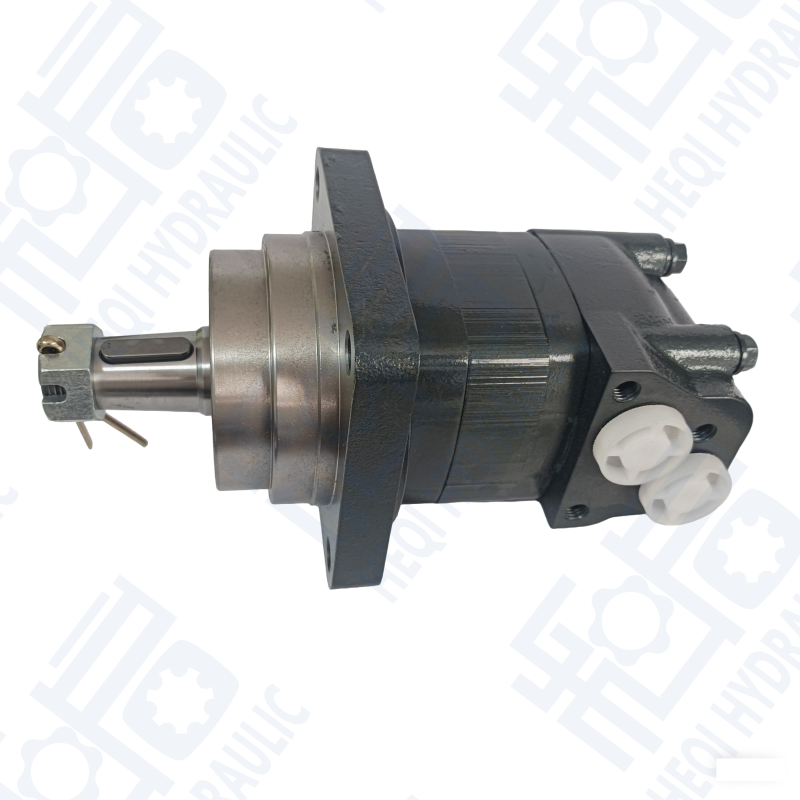
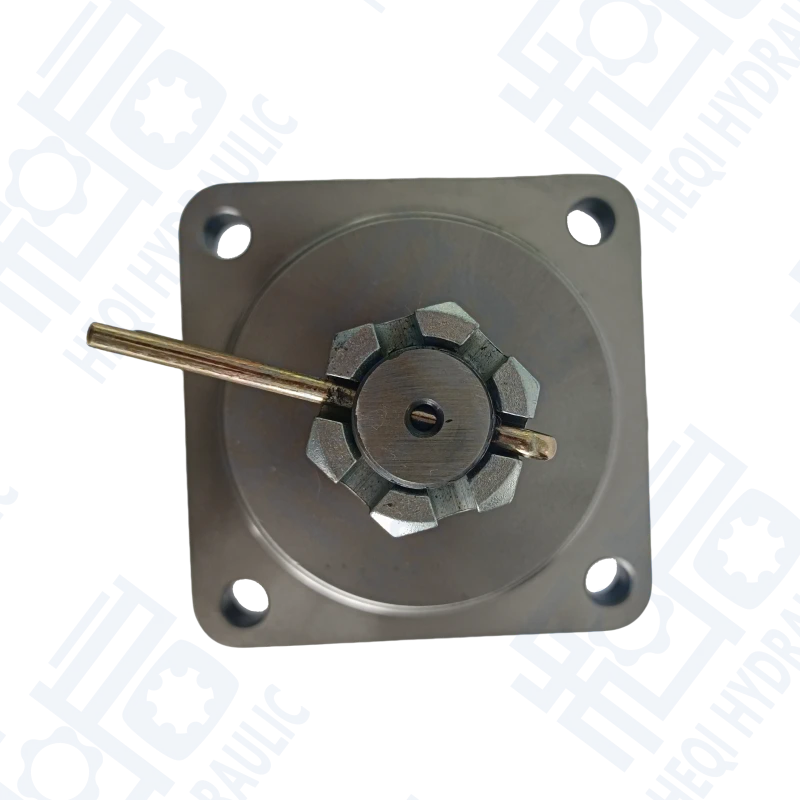
The hydraulic system is also a critical component. Hydraulic motors power the tracks and other functions of the excavator. For swampy area work, you need high - performance hydraulic motors that can operate efficiently in low - RPM (revolutions per minute) conditions. For example, the BMT High Torque Low Rpm Speed Motor is a great option. It provides the high torque needed to move the excavator through the thick mud at low speeds, which is exactly what's required in a swampy environment.
In addition to the hydraulic motors in the tracks, other components like the OMSW Hydraulic Motor Wheel and OMSW Hydraulic Wheel Motor can also play important roles in the overall operation of the excavator. These motors can be used in various attachments or auxiliary systems, ensuring smooth and efficient operation.
Another consideration is the weight of the excavator. While track motor excavators are generally better at distributing weight than wheeled ones, an excessive amount of weight can still cause problems in a swamp. So, it's important to choose an excavator that has the right balance of power and weight. Some manufacturers offer lightweight versions of their track motor excavators specifically designed for low - ground - pressure applications like swamp work.
The operator also plays a crucial role. An experienced operator who understands the unique challenges of working in a swampy area can make a huge difference. They need to know how to adjust their driving style to avoid getting the excavator stuck. This may involve taking wider turns, moving slowly, and being careful not to over - stress the machine.
Now, let's talk about the limitations. Even with all the right modifications and an experienced operator, there are still situations where a track motor excavator might struggle in a swamp. For example, if the swamp is extremely deep and the mud is very thick, it could still be too difficult for the excavator to move forward. In some cases, the ground may be so unstable that there's a risk of the excavator tipping over.
Also, maintenance becomes a major issue. Working in a swamp means the excavator is constantly exposed to water, mud, and debris. Regular maintenance is essential to prevent damage to the components. This includes cleaning the tracks, checking the hydraulic system for leaks, and ensuring that all the corrosion - resistant coatings are intact.
So, can a track motor excavator be used for swampy area work? The answer is yes, but with a lot of caveats. It's not something that can be done without proper planning, the right modifications, and an understanding of the risks.
If you're in the market for a track motor excavator for swampy area work, I'd be more than happy to help you find the right machine for your needs. I've got a wide range of track motor excavators in my inventory, along with all the necessary accessories and high - quality hydraulic motors like the ones I mentioned earlier. Whether you're a contractor working on a large - scale swamp reclamation project or a small - business owner doing some local wetland management, I can provide you with the equipment and advice you need.
Don't hesitate to reach out if you want to discuss your requirements further. Let's have a chat and find the perfect track motor excavator solution for your swampy area work.
References
- Equipment Operator's Handbook: Swamp and Wetland Operations
- Hydraulic Motors for Heavy Machinery: A Technical Guide