




How to prevent the overheating of an omtw walking motor?
 Jan 15, 2026|
 Yo, folks! I'm an OMTW walking motor supplier, and in this blog, I'm going to share some tips on how to prevent the overheating of an OMTW walking motor. Overheating can be a real pain in the neck because it can lead to reduced performance, more wear and tear, and even total motor failure. So, let's dive right in and check out some ways to keep that motor running cool.
Understanding Why the Motor Overheats
Before we get into the preventive steps, it's important to understand why an OMTW walking motor might overheat. There are a few common reasons:
- Bad lubrication: Without enough or the right type of lubricant, the friction between moving parts goes up, which creates more heat.
- Overloading: If the motor is asked to do more work than it's designed for, it has to work harder and this leads to overheating.
- Clogged cooling system: If the cooling system gets blocked, heat can't escape properly, and the motor temperature shoots up.
- Faulty electrical components: Problems with things like the wiring, relays, or switches can cause electrical resistance, and that generates heat.
Preventive Measures
1. Keep an Eye on the Lubrication
Lubrication is like the life - blood of your motor. It reduces friction and helps move heat away from the working parts. Here's what you can do:
- Use the right lubricant: Make sure you're using the lubricant recommended by the motor manufacturer. The HQX2 - 1 Deceleration Traveling Motor, for example, requires specific lubricants for optimal performance. Using the wrong one can affect the motor's efficiency and cause overheating.
- Check the lubricant level regularly: Low lubricant levels mean less protection for the moving parts. Set a schedule to check the lubricant level and top it up when needed. Also, look out for signs of lubricant leakage, and fix any leaks as soon as you spot them.
- Replace the lubricant on time: Over time, lubricants break down and lose their effectiveness. Follow the manufacturer's guidelines for lubricant replacement intervals to keep your motor running smoothly.
2. Avoid Overloading
Overloading is one of the main culprits behind motor overheating. Here are some ways to avoid it:
- Understand the motor's capacity: Know the rated power, torque, and load limits of your OMTW walking motor. Don't push it beyond its boundaries. If you're unsure, check the motor's manual or reach out to the manufacturer.
- Plan your work properly: Make sure the tasks you assign to the motor are within its capacity. Distribute the load evenly to avoid putting too much stress on the motor at once.
3. Maintain the Cooling System
A well - functioning cooling system is essential for keeping the motor temperature in check. Here's what to do:
- Keep the cooling fins clean: The cooling fins on the motor are designed to increase the surface area for heat dissipation. If they get dirty or clogged with debris, heat transfer is reduced. Regularly clean the cooling fins using compressed air or a soft brush.
- Check the cooling fan: If your motor has a cooling fan, make sure it's working properly. A faulty fan won't be able to move enough air over the motor to cool it down. Look for any signs of damage or blockage, and replace the fan if necessary.
4. Inspect the Electrical Components
Electrical problems can also cause overheating. Here's how to keep an eye on the electrical parts:
- Check the wiring: Look for any frayed, loose, or damaged wires. These can cause short circuits and increase electrical resistance, leading to heat generation. Repair or replace any faulty wiring as soon as possible.
- Test the relays and switches: Faulty relays or switches can disrupt the electrical flow and cause the motor to overwork. Use a multimeter or other testing equipment to check their functionality regularly.
Monitoring the Motor Temperature
Regular monitoring of the motor temperature is a great way to catch overheating issues early. You can use a temperature sensor or an infrared thermometer to measure the motor's temperature. Set a temperature threshold based on the manufacturer's recommendations. If the motor temperature exceeds this threshold, stop the operation immediately and investigate the cause.
Training the Operators
Proper training for the operators is crucial. They need to know how to use the OMTW walking motor correctly, including starting and stopping procedures, load management, and basic maintenance. An informed operator is more likely to notice early signs of overheating and take appropriate action.
Conclusion
Preventing the overheating of an OMTW walking motor is all about being proactive. By following these tips on lubrication, load management, cooling system maintenance, and electrical component inspection, you can greatly reduce the risk of overheating.
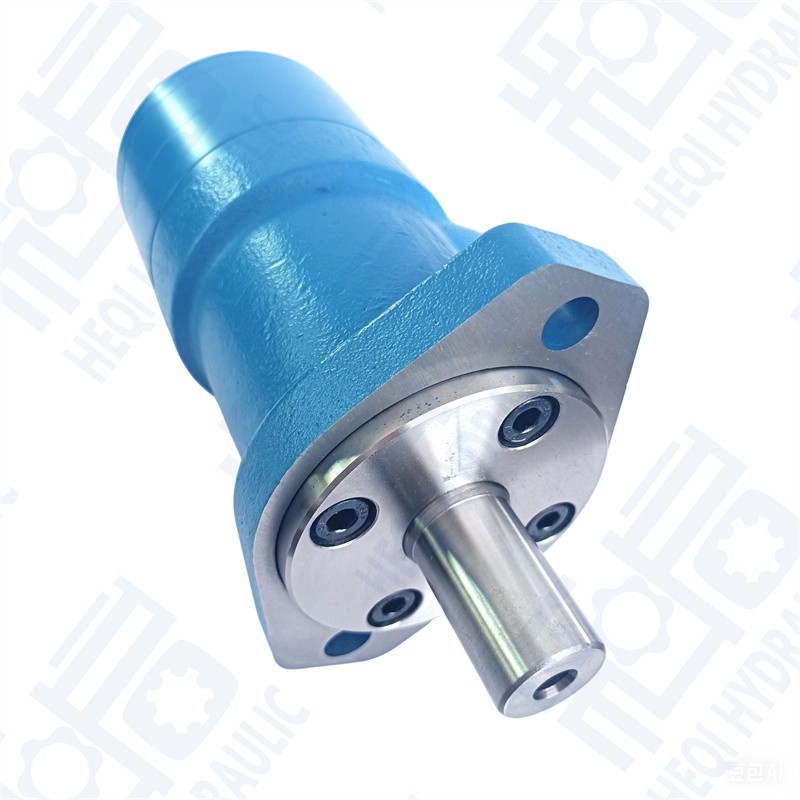
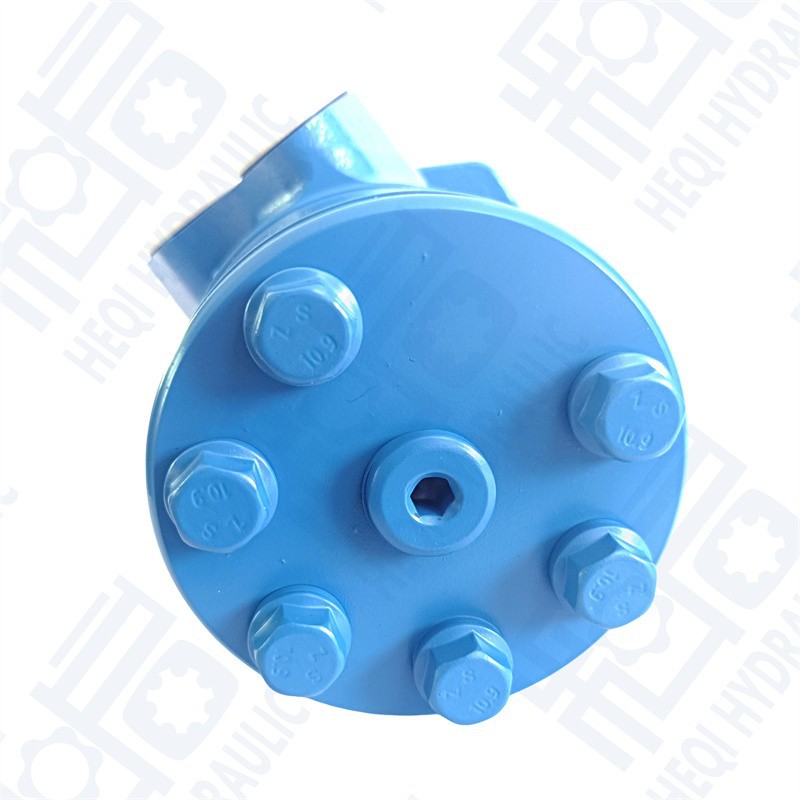
If you're in the market for reliable OMTW walking motors or need more advice on motor maintenance, we're here to help. Whether it's the HQX2 - 1 Deceleration Traveling Motor, the BM3 Low Speed High Torque Hydraulic Motor, or the OMP 160 / OMH 160 / BMH 160 Hydraulic Motor, we've got you covered. Reach out to us for more information and let's start a conversation about your motor needs.
References
- Manufacturer's manuals for OMTW walking motors
- Industry best practices for hydraulic motor maintenance