




How to protect a linkage shaft motor from over - current?
 Oct 19, 2026|
As a supplier of linkage shaft motors, I've got lots of hands - on experience with these nifty pieces of machinery. One common headache that crops up a lot in the world of linkage shaft motors is over - current. It can cause all sorts of problems, from reducing the motor's lifespan to flat - out breaking it. So, in this blog, I'm gonna share some tips on how to protect a linkage shaft motor from over - current.
Understanding Over - Current in Linkage Shaft Motors
First things first, let's talk about what over - current actually is. Over - current happens when there's more electrical current flowing through the motor than it's designed to handle. There are a bunch of reasons why this might occur. Maybe the motor is overloaded because it's working way too hard, like when you ask it to move a load that's much heavier than it's rated for. Or there could be a short - circuit in the electrical system. This can happen if the wiring is damaged or if there's some moisture getting into the wrong places.
When over - current hits a linkage shaft motor, it can lead to overheating. Motors generate heat during normal operation, but too much current amps up the heat production. This extra heat can damage the motor's insulation, which is like the motor's protective coat. Once the insulation is toast, it can cause further short - circuits and damage to the motor's windings.
Choosing the Right Protection Equipment
One of the most effective ways to protect a linkage shaft motor from over - current is to use the right protection equipment. Let's start with fuses. Fuses are like the safety guards of an electrical circuit. They're designed to break the circuit when the current gets too high. When an over - current situation occurs, the fuse melts, cutting off the electrical flow to the motor. This stops any further damage from happening.
Circuit breakers are another great option. They work in a similar way to fuses but can be reset after they've tripped. So, if there's an over - current event, the circuit breaker will open up the circuit, stopping the current. Once you've fixed the problem causing the over - current, you can just flip the breaker back on, and the motor can get back to work.
Over - current relays are also super useful. These devices monitor the current flowing through the motor. If the current exceeds a pre - set limit, the relay will send a signal to cut off the power to the motor. They're really precise and can be adjusted to different current levels depending on the motor's specifications.
Proper Motor Sizing and Installation
You know what they say, "Measure twice, cut once." The same goes for choosing the right size of a linkage shaft motor. If you pick a motor that's too small for the job, it's going to have to work extra hard, which can lead to over - current. On the other hand, a motor that's too big is a waste of money and energy. So, make sure to carefully calculate the power requirements of the application the motor will be used for. Look at things like the load weight, the speed needed, and the duty cycle.
Installation is also key. A poorly installed motor can cause all sorts of problems, including over - current. Make sure the motor is properly aligned with the machine it's connected to. If it's misaligned, it can create extra resistance in the system, causing the motor to draw more current. Also, check the wiring. Make sure all the connections are tight and secure. Loose connections can lead to arcing, which not only causes over - current but is also a fire hazard.
Regular Maintenance and Monitoring
Just like you take your car in for regular check - ups, your linkage shaft motor needs regular maintenance too. Check the motor's bearings regularly. Worn - out bearings can increase friction, which makes the motor work harder and draw more current. If you notice any signs of excessive noise or vibration coming from the motor, it might be a sign that the bearings need to be replaced.
Keep an eye on the motor's temperature. You can use an infrared thermometer to quickly check the motor's surface temperature. If it's running hotter than normal, it could be a sign of over - current or some other problem. Also, check the insulation resistance of the motor's windings. A decrease in insulation resistance can indicate that the insulation is deteriorating, which can lead to over - current and short - circuits.
Using Soft - Starters and Variable Frequency Drives
Soft - starters are a great way to protect your linkage shaft motor from over - current during startup. When a motor starts up, it usually draws a much higher current compared to its normal operating current. This is called inrush current. Soft - starters gradually increase the voltage and current supplied to the motor during startup, reducing the inrush current. This not only protects the motor but also the electrical system it's connected to.
Variable frequency drives (VFDs) are another excellent option. They allow you to control the speed and torque of the motor by varying the frequency and voltage of the electrical supply. By adjusting these parameters, you can ensure that the motor is operating at an optimal level, which helps prevent over - current.
Additional Resources
If you're interested in other types of motors, you might want to check out these resources. The OMP 160 / OMH 160 / BMH 160 Hydraulic Motor is a powerful option for hydraulic applications. The Gerotor Motor is known for its efficiency and reliability. And the Swing Orbit Motor is great for applications that require smooth rotation.
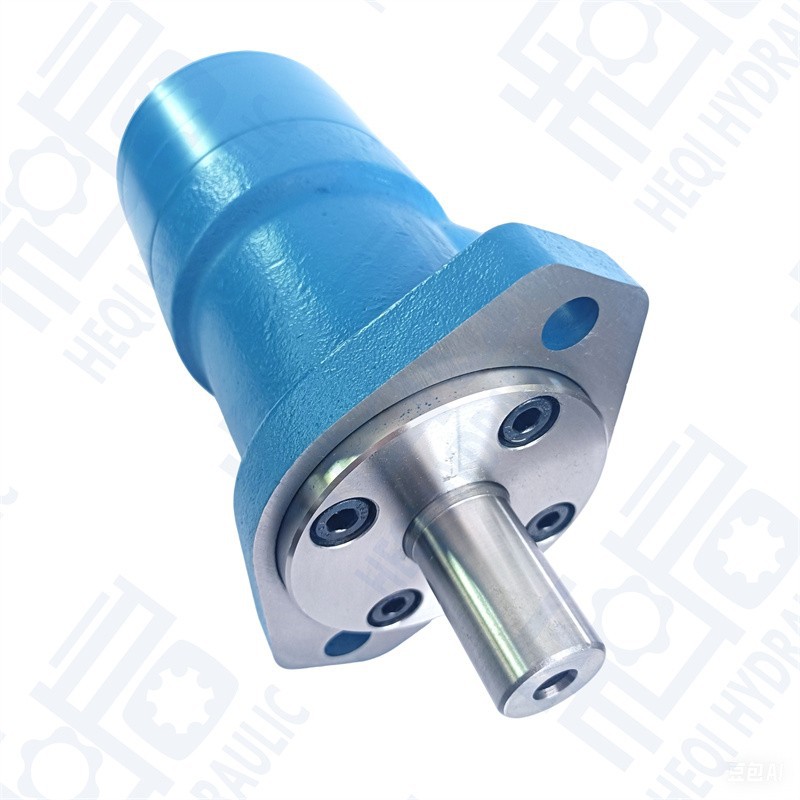
At the end of the day, protecting your linkage shaft motor from over - current is all about being proactive. By using the right protection equipment, sizing and installing the motor correctly, doing regular maintenance, and using things like soft - starters and VFDs, you can keep your motor running smoothly for a long time.
If you're in the market for a high - quality linkage shaft motor or need more advice on motor protection, don't hesitate to reach out. We're here to help you find the perfect solution for your needs. Whether you're a small business or a large industrial operation, we've got the expertise and the products to keep your machinery up and running. Contact us today to start a conversation about your motor requirements and let's work together to protect your investment.
References
- Electrical Motors and Drives: Fundamentals, Types and Applications by Austin Hughes
- Electric Machinery Fundamentals by Stephen J. Chapman