




How to test a spool valve sleeve pair?
 Jun 10, 2025|
 Testing a spool valve sleeve pair is a critical process that ensures the optimal performance and reliability of hydraulic systems. As a supplier of spool valve sleeve pairs, I understand the importance of rigorous testing to meet the high - standards of our customers. In this blog, I will share in detail how to test a spool valve sleeve pair, covering various aspects from basic principles to advanced testing methods.
Understanding the Spool Valve Sleeve Pair
Before diving into the testing procedures, it's essential to understand what a spool valve sleeve pair is. A spool valve sleeve pair consists of a spool and a sleeve. The spool is a cylindrical component that slides within the sleeve. By moving the spool, the flow of hydraulic fluid can be controlled, directing it to different parts of the hydraulic system. This pair plays a crucial role in regulating pressure, flow rate, and direction in hydraulic systems, which are widely used in construction machinery, agricultural equipment, and industrial automation.
Visual Inspection
The first step in testing a spool valve sleeve pair is a visual inspection. This simple yet important process can identify obvious defects such as cracks, scratches, or corrosion on the surface of the spool and the sleeve.
- Spool Inspection: Examine the spool carefully under good lighting conditions. Look for any signs of wear, especially at the edges and the lands. Wear can lead to increased leakage and reduced control precision. If there are visible scratches, it may be necessary to measure their depth. Minor scratches can sometimes be polished, but deep scratches may render the spool unusable.
- Sleeve Inspection: Check the inner surface of the sleeve for similar defects. Any damage to the sleeve can affect the smooth movement of the spool and cause problems in the hydraulic system. Pay special attention to the ports and the sealing areas.
Dimensional Measurement
Accurate dimensional measurement is crucial for the proper functioning of the spool valve sleeve pair. The clearance between the spool and the sleeve is a key parameter that affects the performance of the valve.

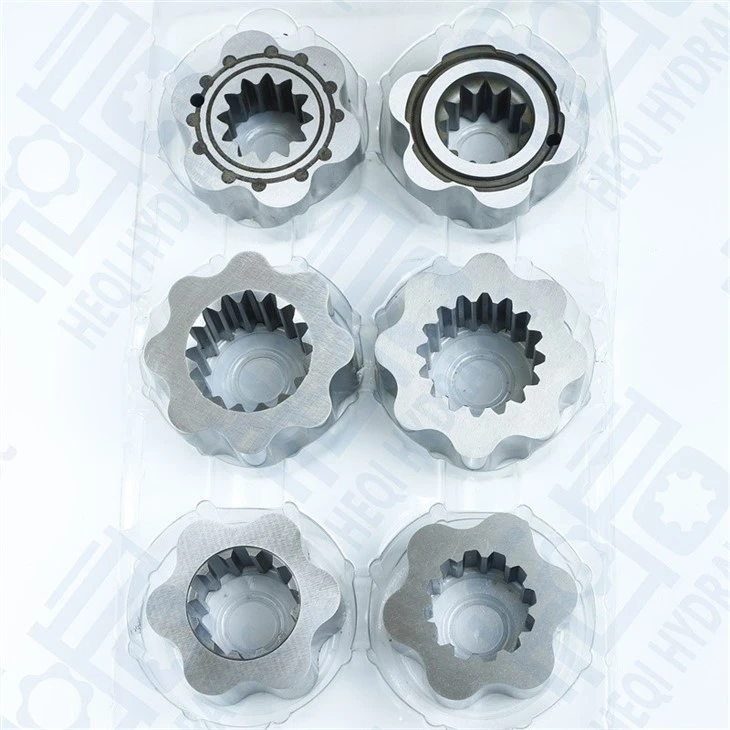
- Using Measuring Tools: Tools such as micrometers, calipers, and gauges are commonly used for dimensional measurement. Measure the diameter of the spool at multiple points along its length to ensure it is within the specified tolerance. Similarly, measure the inner diameter of the sleeve at different locations.
- Clearance Calculation: Calculate the clearance between the spool and the sleeve by subtracting the spool diameter from the sleeve diameter. The clearance should be within the recommended range. If the clearance is too large, there will be excessive leakage, which can lead to energy loss and reduced system efficiency. If it is too small, the spool may not move freely, causing jamming and malfunction.
Flow and Pressure Testing
Flow and pressure testing are essential to evaluate the performance of the spool valve sleeve pair under operating conditions.
- Flow Testing: Connect the spool valve sleeve pair to a test rig equipped with a flow meter. Supply hydraulic fluid at a specified pressure and measure the flow rate through the valve. Compare the measured flow rate with the design specifications. Any significant deviation may indicate a problem with the valve, such as blockage or excessive leakage.
- Pressure Testing: Apply different levels of pressure to the valve and measure the pressure drop across it. The pressure - drop characteristics should follow the expected pattern. If there is an abnormal pressure drop, it could be due to internal leakage, a damaged spool, or a blocked port.
Leakage Testing
Leakage is a common issue in spool valve sleeve pairs, and it can significantly affect the performance of the hydraulic system. There are several methods to test for leakage.
- Static Leakage Test: In a static leakage test, the spool is held in a specific position, and pressure is applied to the valve. Measure the amount of fluid that leaks past the spool and the sleeve over a certain period. This test helps to detect any leakage that occurs when the valve is not in motion.
- Dynamic Leakage Test: For a dynamic leakage test, the spool is moved back and forth while pressure is applied. This simulates the actual operating conditions of the valve. Measure the leakage during the movement of the spool. High leakage during dynamic testing may indicate problems with the sealing surfaces or the wear of the spool and the sleeve.
Material and Surface Hardness Testing
The material and surface hardness of the spool and the sleeve can affect their wear resistance and durability.
- Material Analysis: Use techniques such as spectroscopy to analyze the material composition of the spool and the sleeve. Ensure that the materials meet the required standards. Different applications may require different materials with specific properties, such as high strength, corrosion resistance, or wear resistance.
- Hardness Testing: Measure the surface hardness of the spool and the sleeve using a hardness tester. Appropriate hardness is necessary to prevent wear and deformation. If the hardness is too low, the components will wear quickly. If it is too high, the material may become brittle and prone to cracking.
Compatibility Testing with Other Components
A spool valve sleeve pair is usually part of a larger hydraulic system. Therefore, it is important to test its compatibility with other components, such as Oil Distribution Disc, Orbital Hydraulic Motor Rotor, and Omm Gerotor Set.
- System Integration Testing: Install the spool valve sleeve pair into a complete hydraulic system and run the system under various operating conditions. Monitor the performance of the entire system, including the pressure, flow rate, and temperature. Any abnormal behavior may indicate compatibility issues between the valve and other components.
Conclusion
Testing a spool valve sleeve pair is a comprehensive process that involves multiple steps and methods. By conducting thorough visual inspection, dimensional measurement, flow and pressure testing, leakage testing, and material and surface hardness testing, we can ensure that the spool valve sleeve pair meets the highest quality standards. Compatibility testing with other components in the hydraulic system is also crucial to guarantee the overall performance and reliability of the system.
As a supplier of spool valve sleeve pairs, we are committed to providing high - quality products. We have a strict quality control system in place, and every spool valve sleeve pair undergoes a series of rigorous tests before leaving our factory. If you are in the market for spool valve sleeve pairs or have any questions about their testing and performance, please feel free to contact us for further discussion and potential procurement.
References
- "Hydraulic Control Systems" by Norman S. Niemann
- "Fluid Power Technology" by Anthony Esposito
- Industry standards and guidelines for hydraulic valve manufacturing and testing