




What are the safety precautions when using an orbital hydraulic motor?
 Jun 20, 2025|
 When it comes to the industrial applications of orbital hydraulic motors, safety is of paramount importance. As a seasoned supplier of orbital hydraulic motors, I have witnessed firsthand the potential risks associated with improper use and the critical need for strict safety precautions. In this blog post, I will share some essential safety guidelines to ensure the secure and efficient operation of orbital hydraulic motors.
1. Pre - installation Safety Checks
Before installing an orbital hydraulic motor, a series of thorough checks should be carried out. First, examine the motor for any visible damage during transportation. Look for cracks, dents, or signs of leakage on the motor housing. Any such damage could compromise the motor's performance and pose a safety hazard during operation.
Inspect the mounting surface. It should be flat, clean, and free of any debris or irregularities. An uneven mounting surface can cause misalignment, leading to excessive vibration, premature wear, and even motor failure. Ensure that the mounting holes on the motor match the holes on the mounting surface precisely.
Check the hydraulic fluid. The quality and quantity of the hydraulic fluid are crucial for the proper functioning of the motor. The fluid should be clean and free of contaminants such as dirt, metal particles, or water. Use a fluid analyzer if necessary to verify its quality. Also, make sure that the fluid level is within the recommended range. Low fluid levels can cause cavitation, which damages the motor's internal components, while over - filling can lead to excessive pressure and potential leakage.
2. Installation Safety
During the installation process, follow the manufacturer's instructions carefully. Use the correct tools and fasteners to ensure a secure and proper fit. Tighten the bolts to the specified torque values. Over - tightening can damage the motor or the mounting surface, while under - tightening can result in loose connections and vibration.
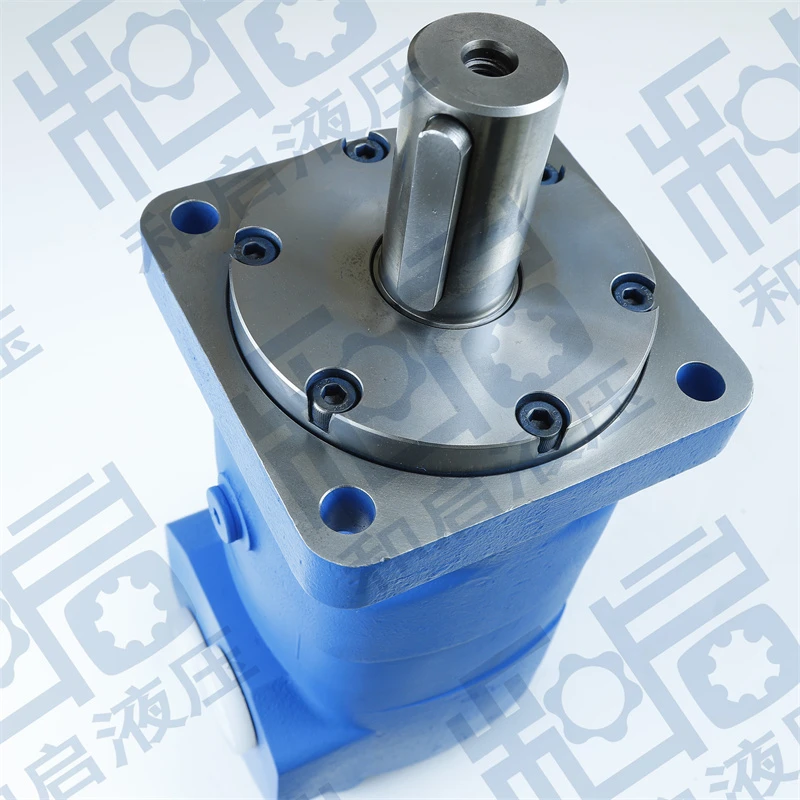

Connect the hydraulic hoses correctly. Make sure that the hoses are of the appropriate size and rating for the motor. Incorrect hose sizing can lead to pressure drops, reduced efficiency, and potential hose failures. Use proper hose clamps or fittings to prevent leakage. Ensure that the hoses are routed in a way that they do not rub against sharp edges or other moving parts, as this can cause abrasion and eventual hose rupture.
Ground the motor properly. Electrical grounding helps to prevent electrostatic discharge, which can be a fire or explosion hazard, especially in environments where flammable materials are present. Follow the electrical grounding requirements specified by the manufacturer.
3. Operating Safety
When operating an orbital hydraulic motor, always start the system slowly. Sudden starts can cause high - pressure spikes, which can damage the motor and other components in the hydraulic system. Monitor the pressure gauges and temperature sensors regularly. High pressure can indicate a blockage or a malfunction in the system, while high temperatures can lead to fluid degradation and component damage.
Avoid overloading the motor. Each orbital hydraulic motor has a specified power and torque rating. Operating the motor beyond its rated capacity can cause overheating, premature wear, and eventually, motor failure. If you need to increase the load, consider upgrading to a more powerful motor or optimizing the system design.
Keep the operating area clean and free of clutter. A clean work environment reduces the risk of tripping hazards and makes it easier to detect any signs of leakage or other problems. Train all operators on the proper use of the orbital hydraulic motor. They should be familiar with the control panel, emergency stop buttons, and safety features of the system.
4. Maintenance Safety
Regular maintenance is essential for the long - term safety and performance of orbital hydraulic motors. When performing maintenance, always shut down the system and relieve the pressure in the hydraulic lines. This prevents accidental fluid release, which can cause serious injuries.
Wear appropriate personal protective equipment (PPE) such as safety glasses, gloves, and protective clothing. Hydraulic fluid can be hot and can cause burns, and it can also be harmful if it comes into contact with the skin or eyes.
When replacing parts, use only genuine or high - quality replacement parts. Inferior parts may not fit properly or may not meet the required performance standards, which can lead to safety issues. For example, if you are looking for a replacement for a Danfoss OMT Hydraulic Motor, you can check out Danfoss OMT Hydraulic Motor Repalcement.
For applications that require high torque at low RPM, the BMT High Torque Low Rpm Speed Motor is a great option. And if you need a hydraulic valve motor, you can explore Hydraulic Valve Motor.
5. Storage Safety
If the orbital hydraulic motor needs to be stored for an extended period, take proper precautions. Clean the motor thoroughly to remove any dirt, debris, or hydraulic fluid. Store the motor in a dry, clean, and well - ventilated area. Protect it from extreme temperatures, humidity, and direct sunlight.
Seal the hydraulic ports to prevent the entry of dust and moisture. If possible, store the motor in a protective cover or crate to prevent physical damage.
Conclusion
In conclusion, the safe use of orbital hydraulic motors requires a combination of pre - installation checks, proper installation, safe operation, regular maintenance, and appropriate storage. By following these safety precautions, you can ensure the longevity of the motor, prevent accidents, and optimize the performance of your hydraulic system.
If you are in the market for high - quality orbital hydraulic motors or need more information on safety precautions, feel free to contact us. We are here to assist you in making the right choice for your specific application and to ensure that you operate your equipment safely and efficiently.
References
- Hydraulic Systems Handbook by Donald C. Fitch
- Industrial Hydraulics Manual by Rexroth
- Safety Standards for Hydraulic Equipment published by ISO (International Organization for Standardization)